Approaching the Work
 What is “The Work? One way to approach it is to explore the techniques and ideas shared with us by teachers who went before, and making them real for ourselves through our own experimentation and observation. Always evolving according to time and place, the Work provides a way to live our lives with meaning. Why am I here? What is the purpose of my existence? How can my life become more real?
 Rather than being led by our reactions including “likes and dislikes,” “attractions and aversions,” and “I want and I don’t want” we are shown ways to access something higher in ourselves to build the ability to actually observe ourselves without judgement. This is a first step in beginning “Work on myself.”
Some search to awaken from a crisis of meaning. Others have a yearning for non-duality, and still others seek a way to live in a way to contribute to the health of the planet. The search is varied yet each individual becomes essential for the work of the group.
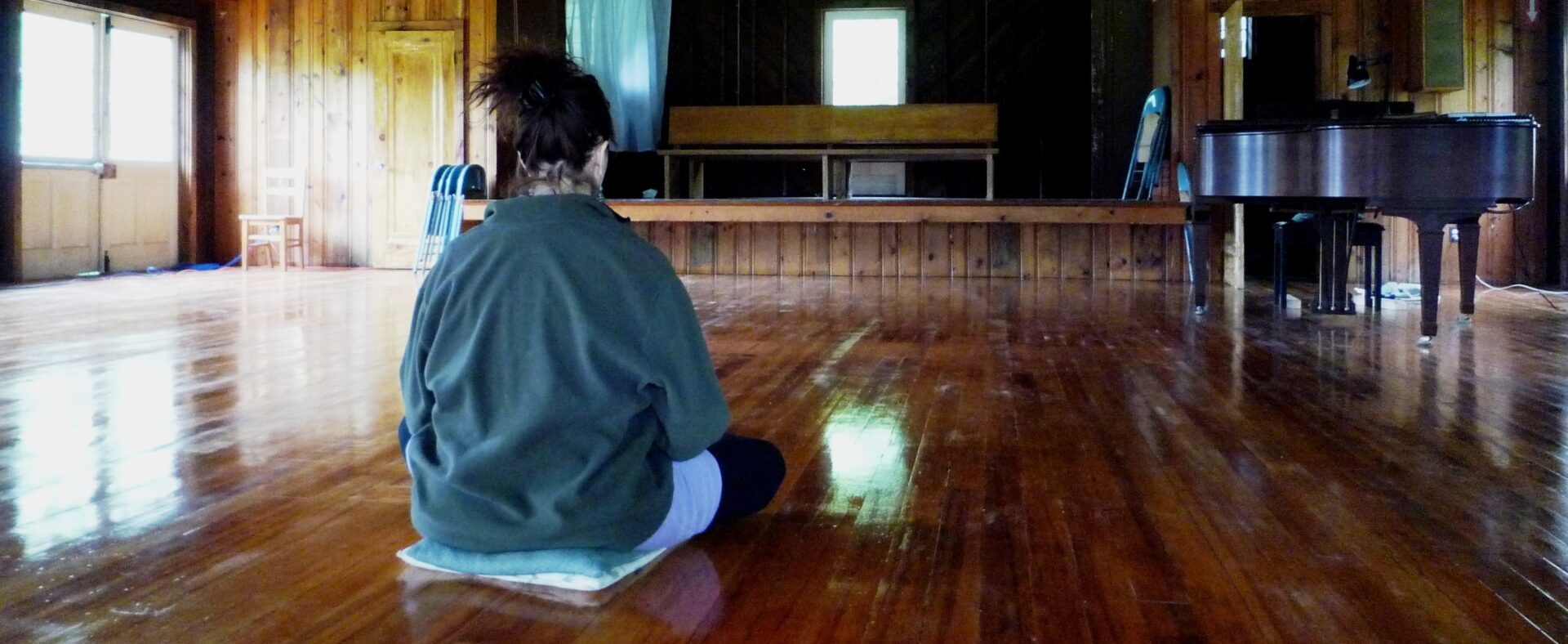
Working together at Camp Caravan using the techniques of the Work is our “practice.” Attention, noticing, presence, morning sittings, practical physical work, music, the Movements are all areas for exploration.
Going beyond theory alone onto the “how” of working helps build our ability to go beyond living on “automatic pilot.” One moment might call for receptivity, another for struggle. Learning how to discriminate and see what is needed for our own inner work is an important key. It is not a “one-size-fits-all” approach
The group is the leader
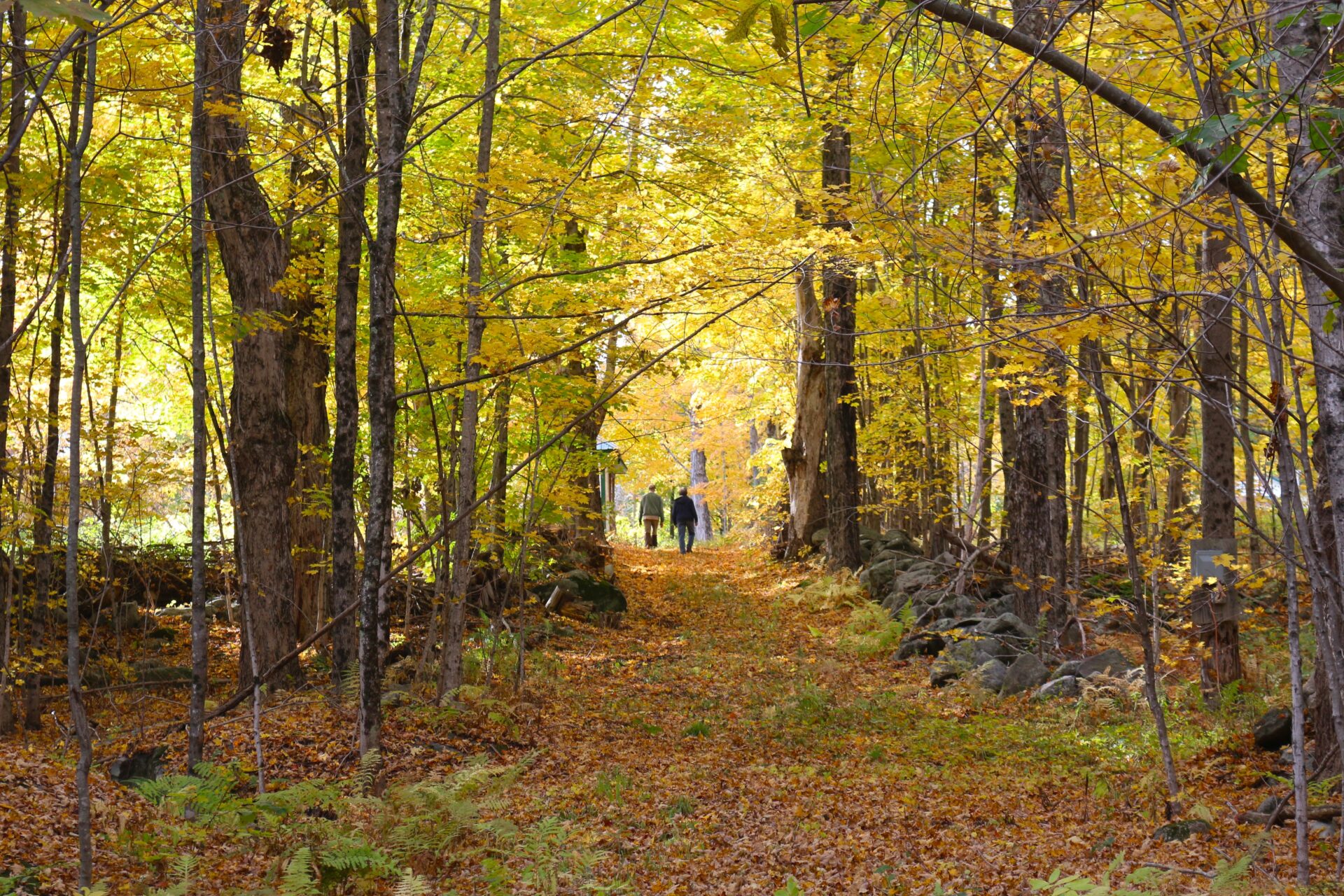 Some describe Work at Camp Caravan as “working without a leader,” or working in a “leaderless group.” This could not be further from the truth. The opposite is the case—the group is the leader.
A leaderless group and a group with everyone as the leader may seem to be two sides of the same coin. The analogy of a ship is apt —a ship without a captain and a ship where everyone thinks they are the captain are both heading for a bad voyage. What is the difference? The short answer is “the Work”, but what is actually involved?
Can we learn to cooperate?
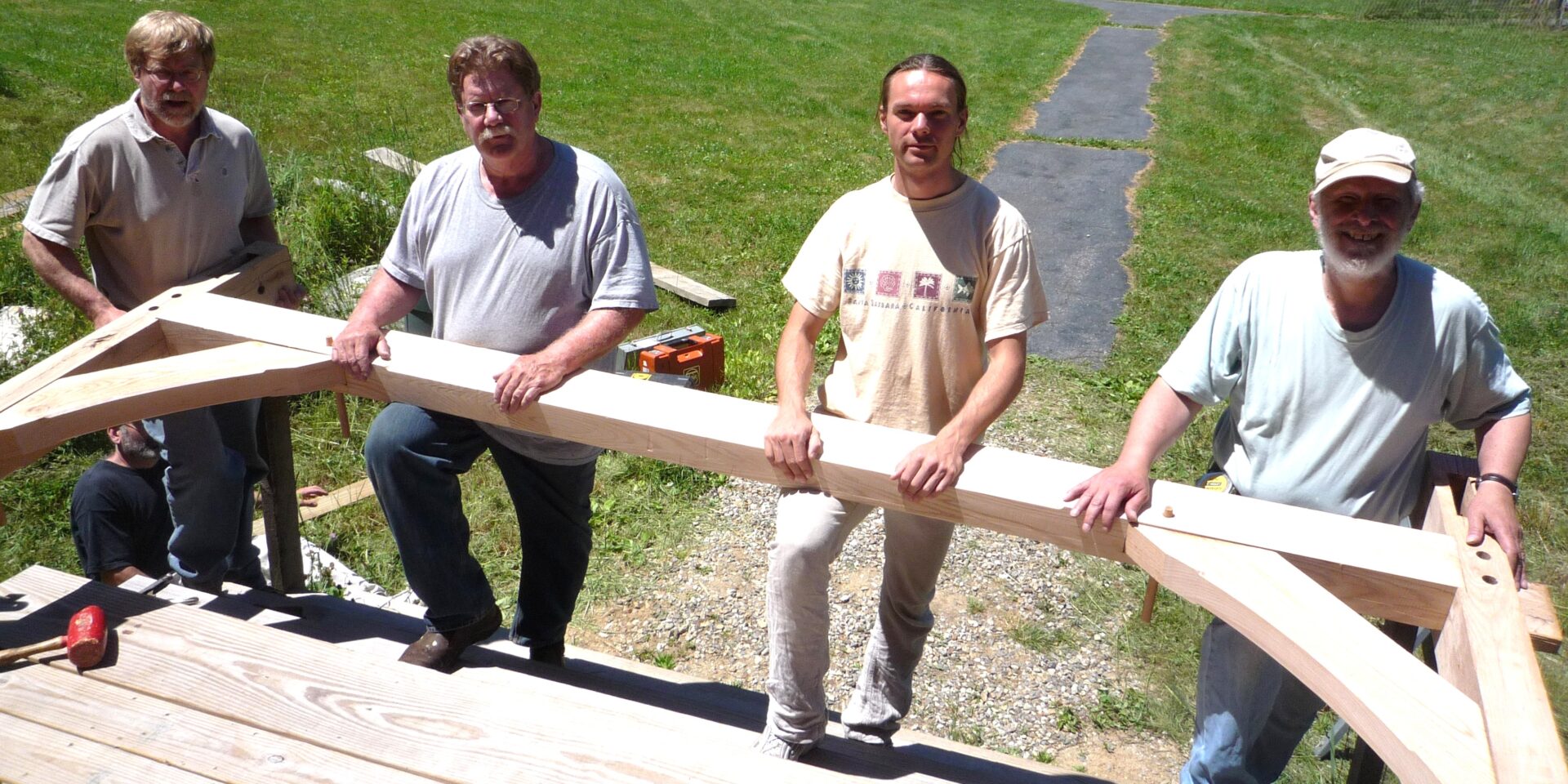 At Camp Caravan, listening without judging is an important characteristic of peer group work. This comes with the realization that the insight into what is needed at a given time can come through any member of the group.
Another characteristic is the understanding that it takes hard work to solve difficult problems. Sometimes the solutions take a long time to become clear. This too is a lesson in how to cooperate.
Traditionally, Work groups have a leader with pupils. That form has always had a place, especially for introducing the ideas and techniques to people new to the Work. Eventually, I must work from myself through conscience, whether or not I am also guided by a leader.
We all need help
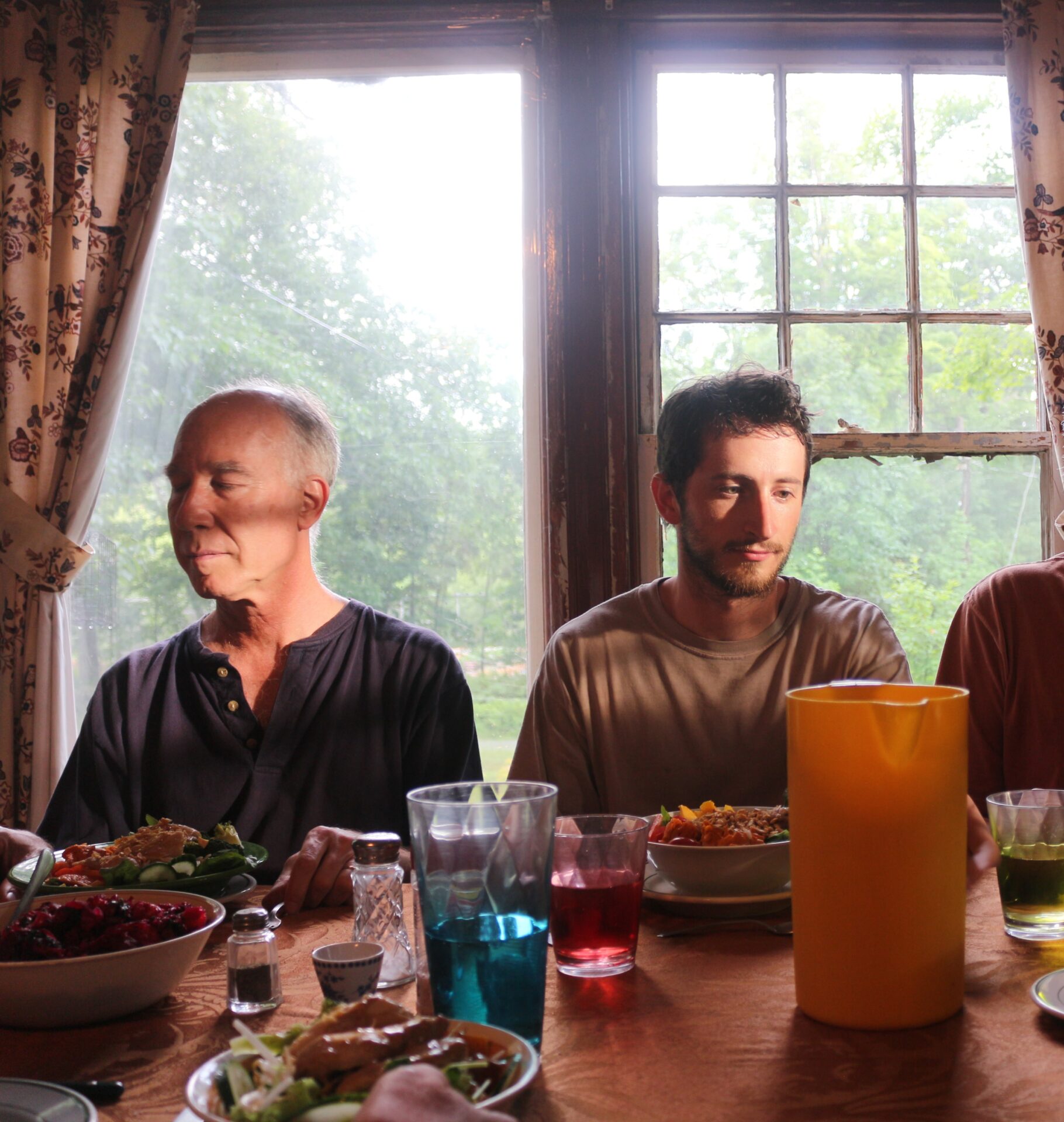 The work at Sherborne and Claymont provided a foundation where one could begin to work from one’s own initiative, although that doesn’t mean working alone. A group is essential for the many opportunities working together provides. We all need help, and we need it all the time. In the group context, the existence of help becomes palpable.
Egoism and the world situation
Some talk about cooperation and want to cooperate. However, in many cases, cooperation is just a word that means, “Do things my way because I am right, and I know what I’m doing.”
An ego-based approach says, “I am the center of my universe. I have my rights, and I will to look out for my own welfare first.” Many people see this problem and sincerely want to cooperate with each other for a better world and a healthier planet, but don’t know how. They literally don’t have the “know-how.”
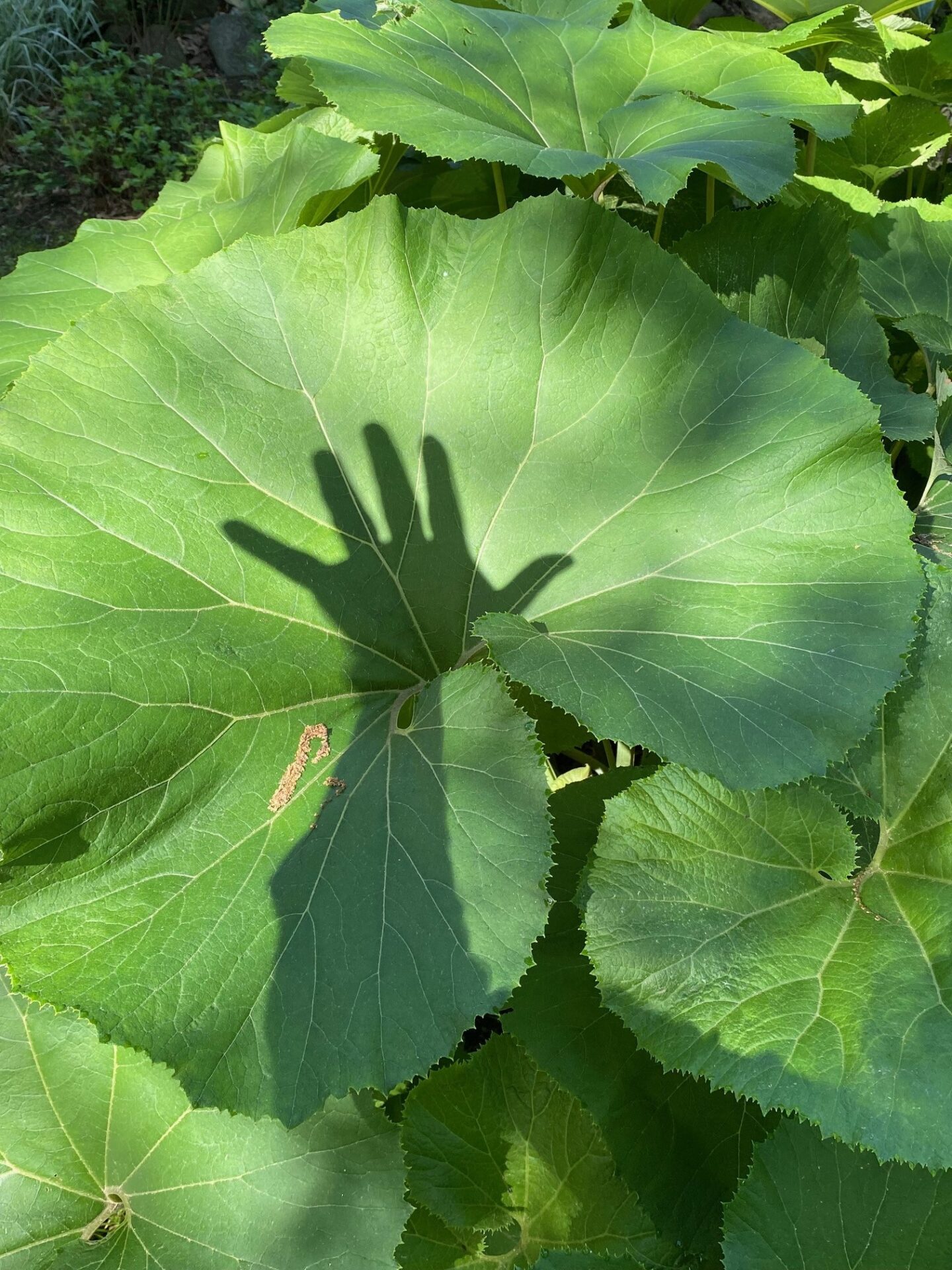 Camp Caravan is a living place for Work with significant opportunities for experimentation and cooperation. We welcome new participants. If you are considering attending an Open Work Day, the Camp Caravan Summer Seminar, or other events, please contact registrar@campcaravan.org.