 A need for a place for Work
In 1998, Millers River Educational Cooperative (MREC) purchased Camp Caravan. It was to be the site for the future home of the Village School and serve as a campus well-suited for practical adult education.
The MREC is an educational non-profit entity formed by a Work group who came together in the Boston area in the 1970s. Most participants had studied at J.G. Bennett’s programs at Sherborne House and at Claymont Court in West Virginia headed by Pierre Elliot. These people were hungry to continue working together with a group.
Origins of the group
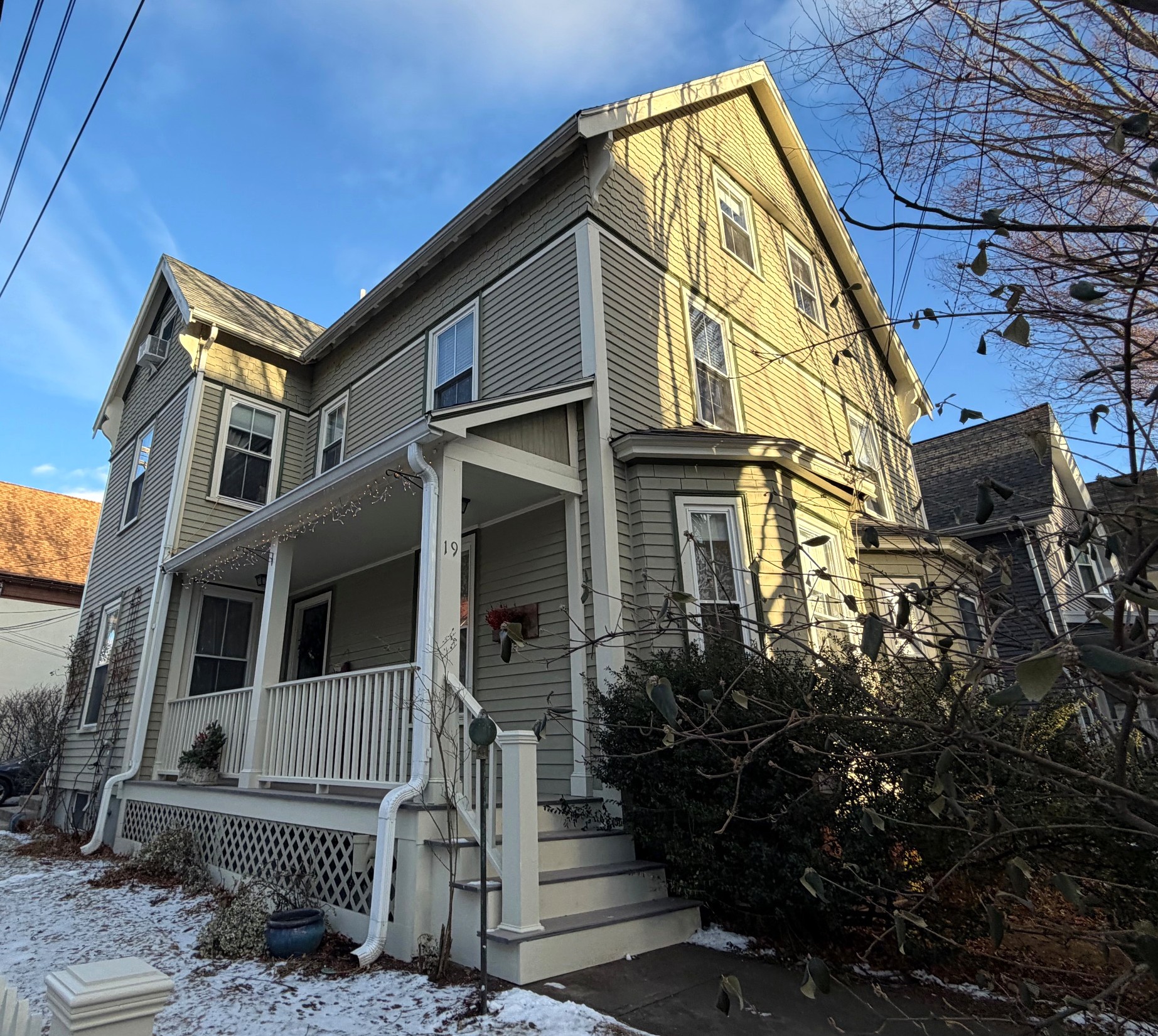 In 1976, many came together at “Pearl Street” in Somerville, Massachusetts, a building that had been damaged by fire, located on Pearl Street near the Somerville High School. Bill Bleak initiated this group and new members joined frequently. Participants worked there with Gurdjieff Movements led by Rise Richardson, practical work, inner exercises, and Feldenkrais exercises, led by Bill Bleak.
Some of the Pearl Street participants shared a duplex on Cottage Avenue in Somerville nicknamed, “Cozy Cottage Corners.” From 1978-1981 the residents, many of whom were recent Claymont graduates, shared morning sittings, Movements practice, meals, practical work, and social life. They also founded the “Art Ark,” led by Don O’Dell, an art gallery and coffeehouse in Davis Square, Somerville. Members of the extended Work community helped with repairs, setup, and running the facility.
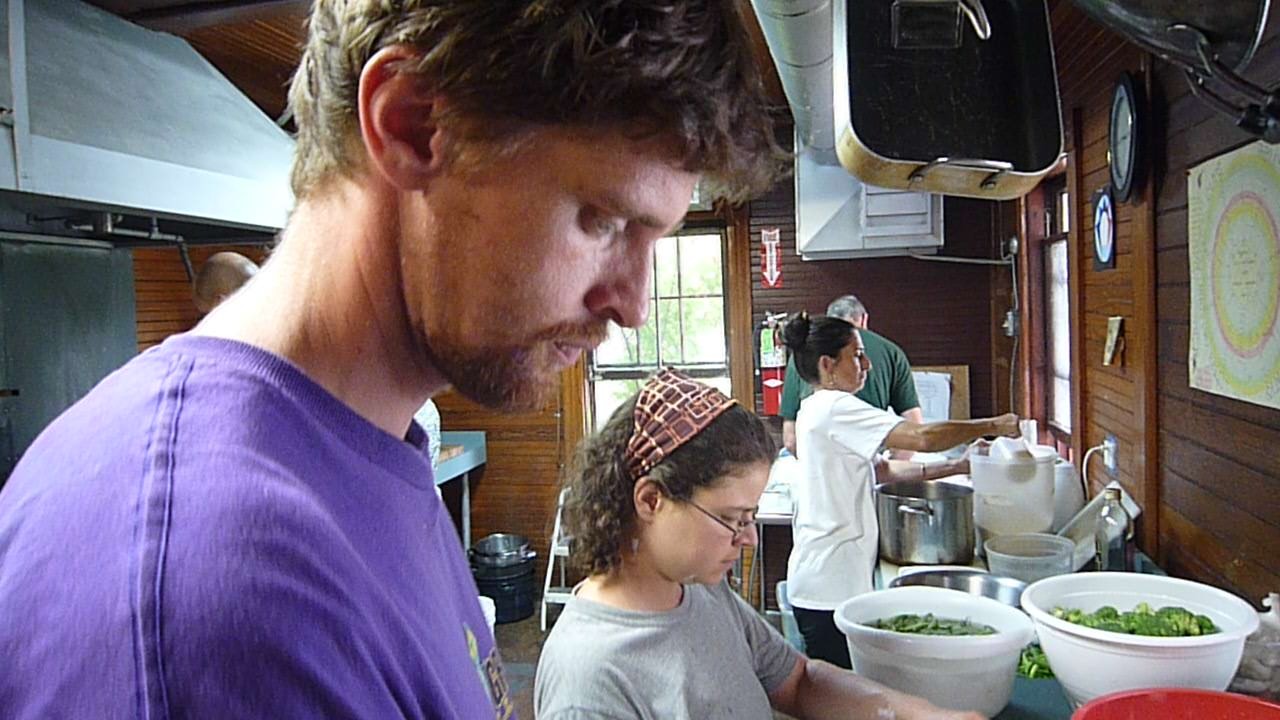
After meeting at the Pearl Street location, the group continued to meet and hold Work Days and seminars in rented spaces west of Boston. Many visited and assisted with events, including Pierre and Vivien Elliot, Venerable Vera Dharmawara Bhante, and George Cornelius. Members became the founders of the Village School, with classes held in rented buildings.
In 1990, some of these original founders hosted the “Live-in Program” to offer a longer residential program than seminars could provide. In turn, Bill Bleak and Maryjane Green, the Richardsons, Walt Thornton and Nanji Davison, and Penelope and Bill Sullivan hosted the participants who spent one or two months in each home. The program was inspired by Sherborne and Claymont.
Moving to Royalston, Massachusetts
 Moving to Camp Caravan in 1998 was an important milestone in the life of the group and the Village School.
Bill Bleak introduced the idea of the “Invisible Village.” He described a group of people connected by their inner lives and values, but outwardly might live in different places. Bill was the first of the group to move out to Royalston, with many group members relocating from the city to adjacent towns in following years. His “Jolly Farm” property is next door to Camp Caravan.
Many of those original group members still meet together at Camp Caravan today, where the group itself has become the leader. In addition to Summer Seminars and Open Work Days, residential programs included “Skills-for-Life” Movements Seminars, and a longer live-in program on the campus.
Camp Caravan–ideal for practical work
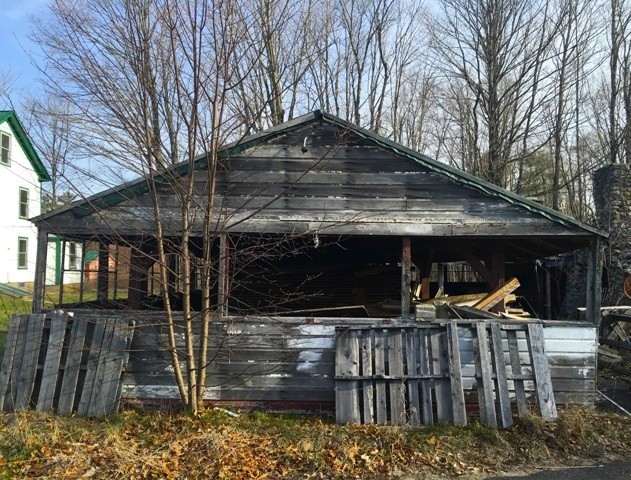
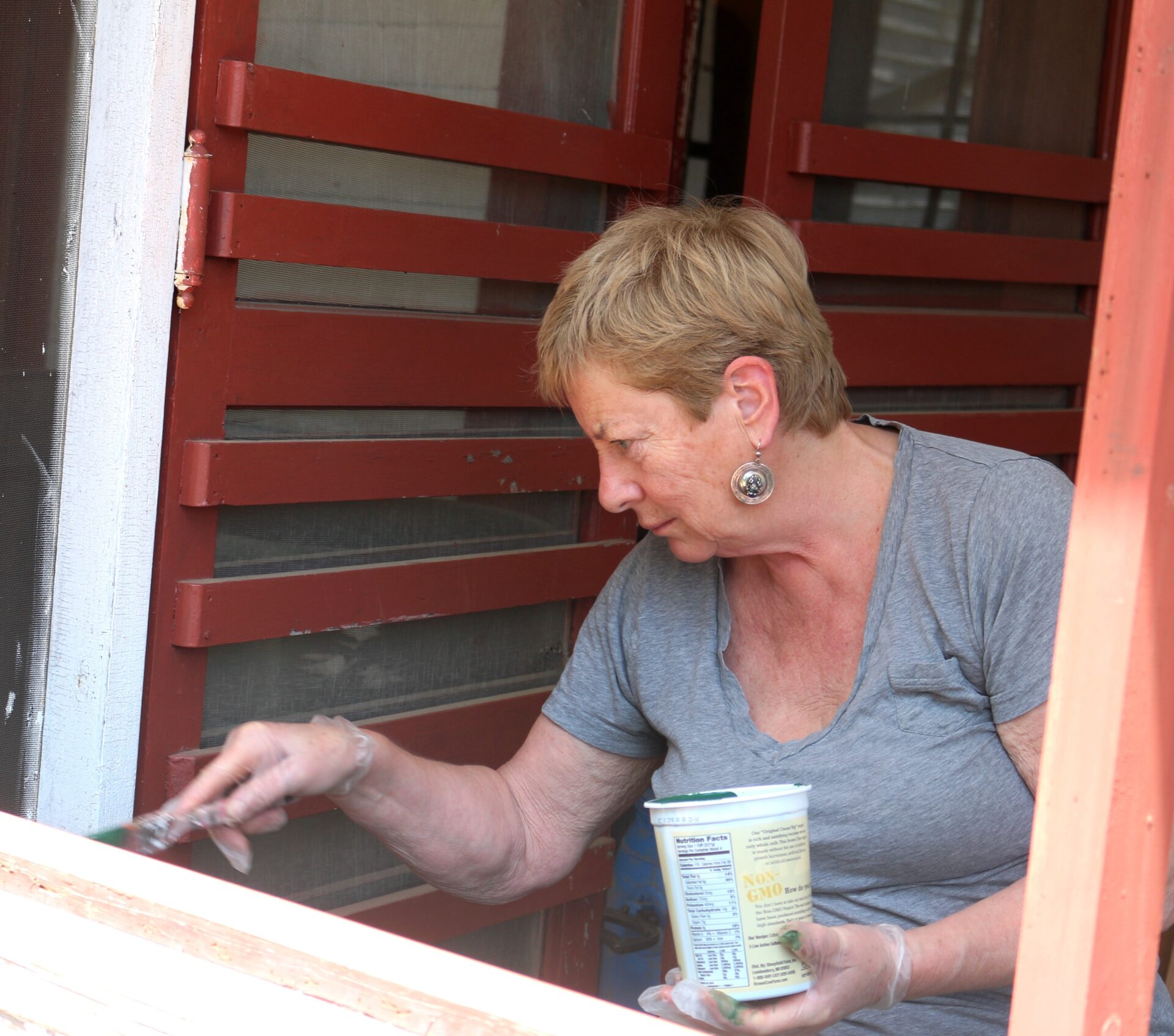 When MREC purchased the property, it had been unoccupied for thirteen years and the building and grounds had succumbed to the effects of long-term neglect, making it ideal for unlimited practical work opportunities.
Since ownership, the group renovated many buildings and made substantial site improvements. However, opportunities for practical work have not diminished. The value of donors’ gifts increases many times over through voluntary labor of group participants and friends.
There are several large buildings on the main campus of the property, suitable for meetings, Gurdjieff Movements, and cultural and community activities.
Guests are lodged in the small cabins and the three-story dormitory building on the main campus of the property, surrounded by acres of pine/oak/maple forest and wetlands, home to many species of native plants and animals.
Camp Caravan since colonial times
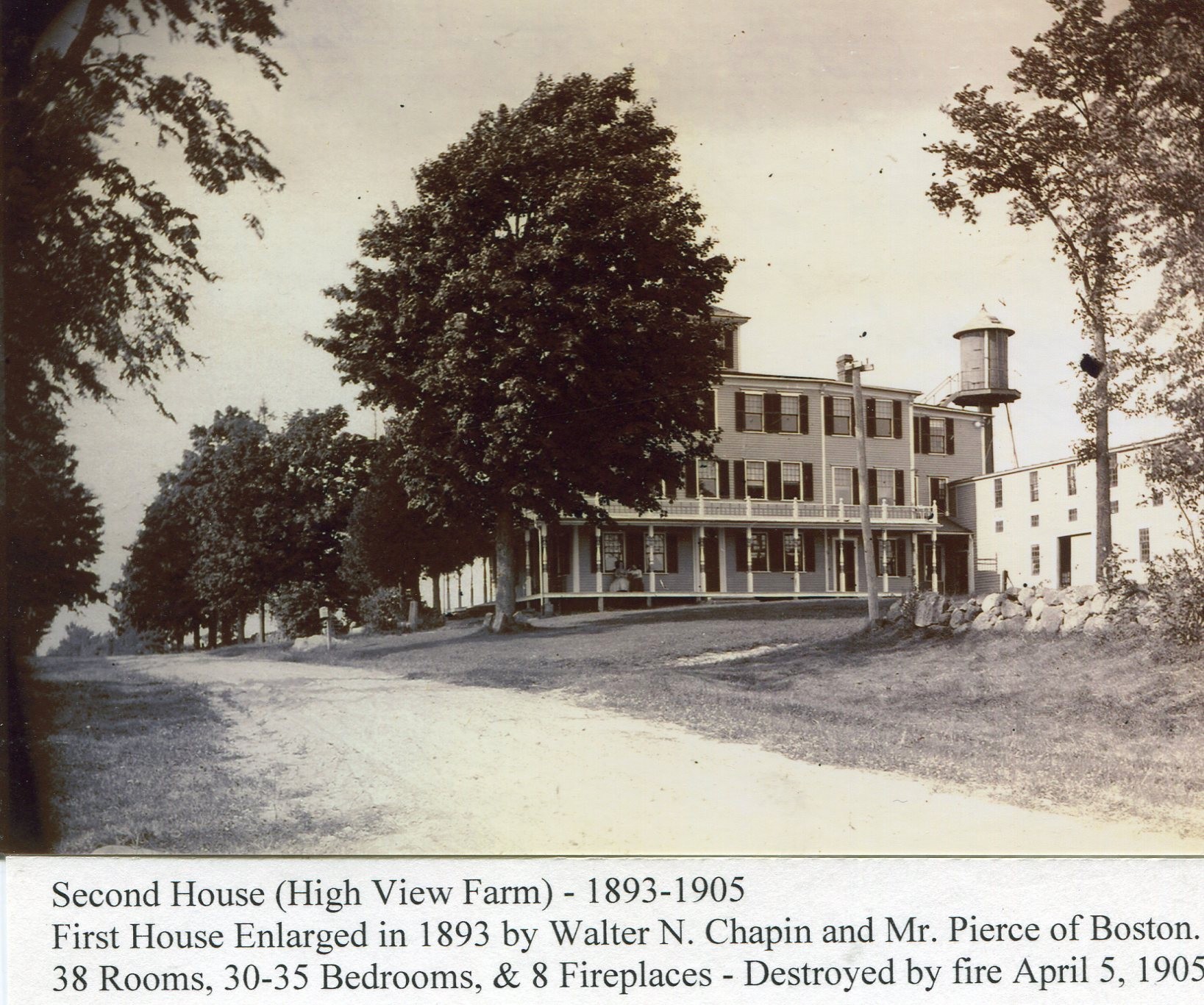 Generally known as “High View Farm” since colonial times, four successive houses were built on the same site on the property.
The first house was erected circa 1770. The second house was likely an expansion of the first house and was completed in the Federal style (similar to houses on the Royalston Common).
In the early 1890s the second house was expanded into the third house— a large 38-room inn famous for its view of Mt. Monadnock.
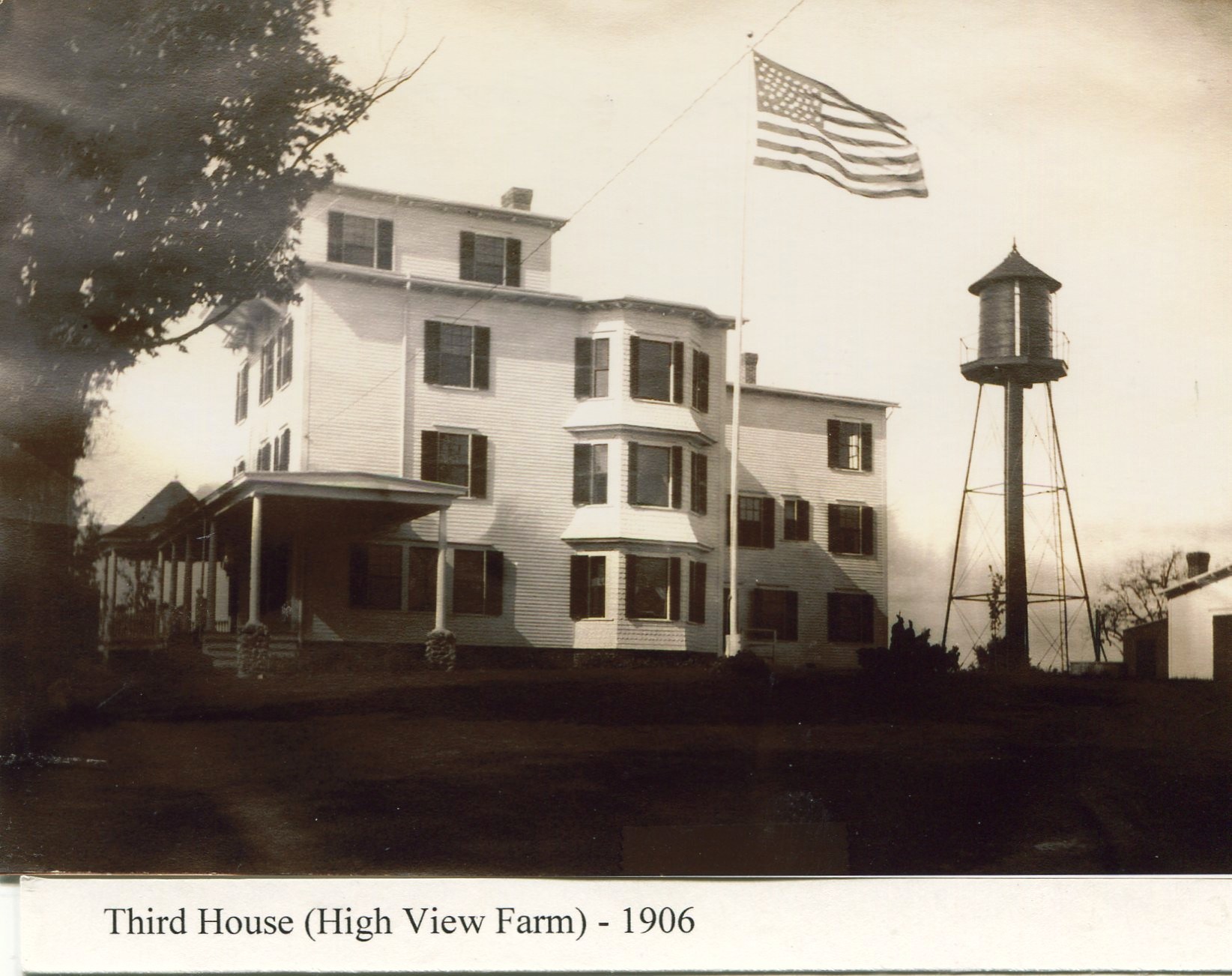
The inn did not flourish and was eventually sold to George Lemon in 1901 for a private residence. The inn burned to the ground in 1905, and the present fourth house was erected in 1906.
The house was originally used as a summer home, but later became one of the main buildings of High View Conservatory, a school for girls. George and Alice Lemon ran the school from 1916 to 1936.
Innovation in special education
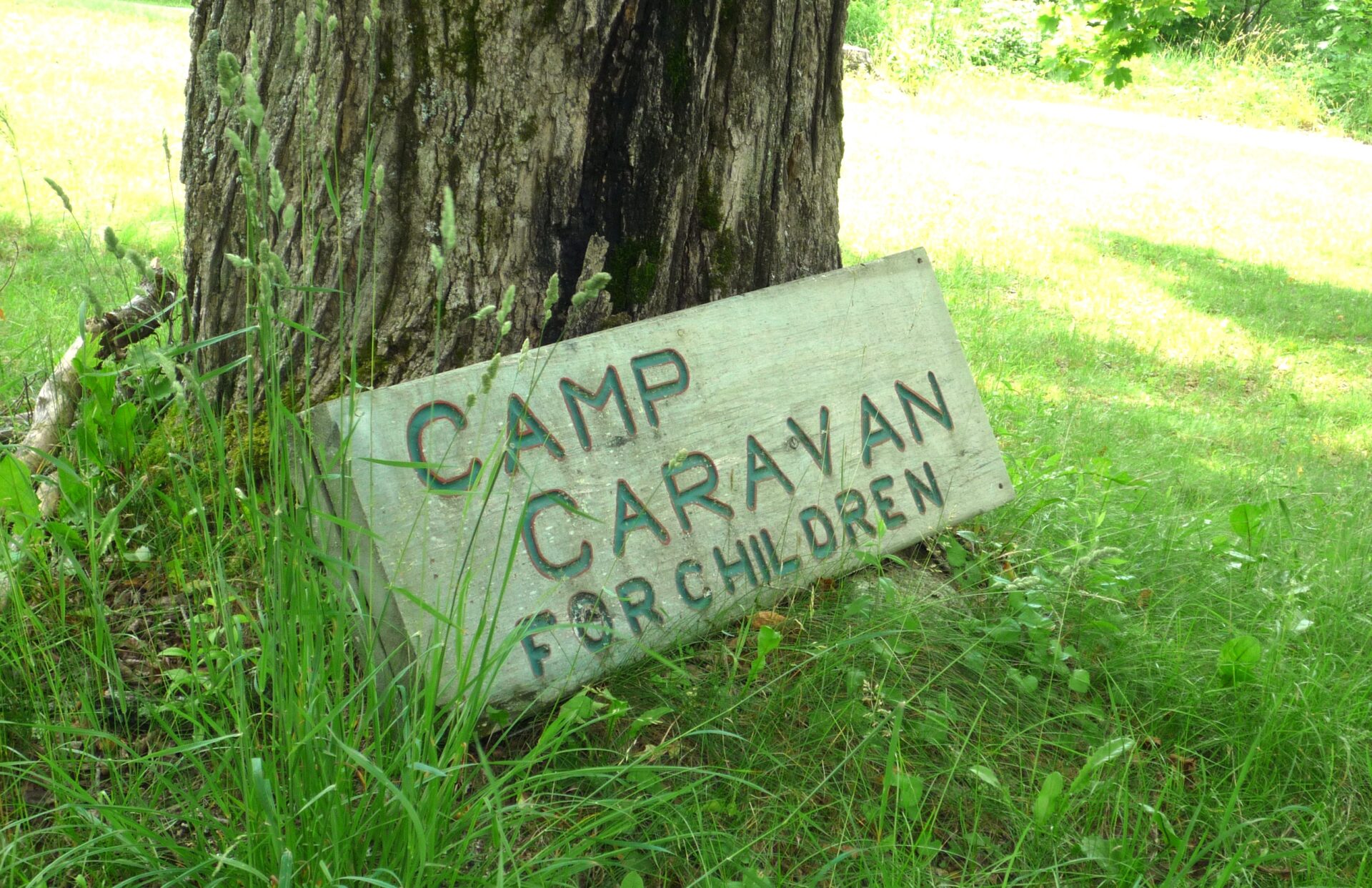 After George Lemon’s death the Caravan Society purchased the property in 1946 as a place for a summer camp for children with disabilities and impoverished young people from the Boston area, with Ed McCarty from Somerville as the head.
Ed McCarty was one of the first in the educational world to see the need for special education departments in schools. He started one of the first in the Somerville Massachusetts high school (located near Pearl Street)
Out of that experience, he saw and responded to the need for poor, and as it was described in the language of the time, “handicapped and mentally retarded children to enjoy summer camp and a wonderful community experience.”
Camp Caravan for Children opened in 1947. Children rode the trains out from Boston and stayed for 3-6 weeks. Many alumni of the camp describe the experience as one of the great positive forming experiences of their lives. The camp closed in 1985 and was derelict until purchased by MREC in 1998.
Work on the Camp Caravan campus
Report by Walt Thornton, Group Member, Sherborne Alum, Civil Engineer, Practical Work Coordinator
Buildings
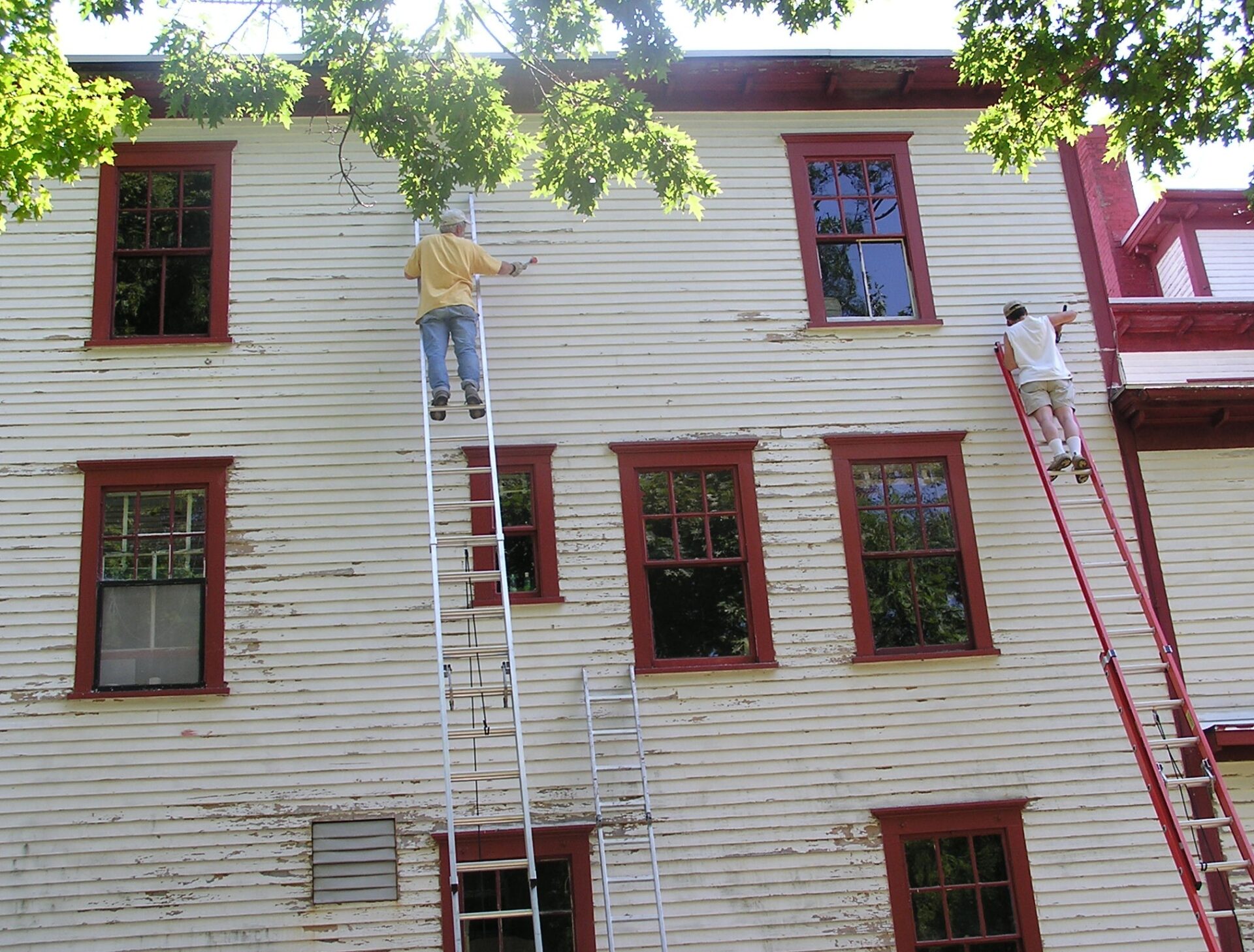
For the first few years after acquiring the property, we were busy making the Main House and kitchen habitable again. We also performed maintenance on the many campus buildings that had not been cared for in the previous 13 years. This included repairing roofs and foundations; undertaking plumbing, electrical, and heating upgrades; and numerous painting and gardening projects.
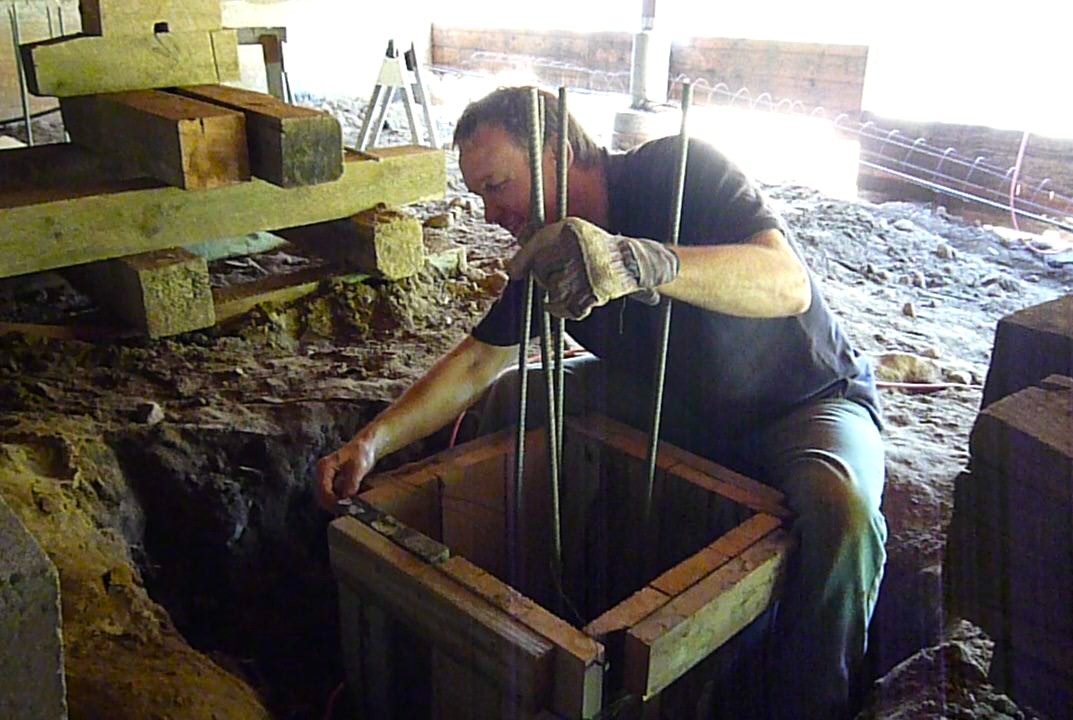
Beginning in 2005, serious upgrades to the large dormitory building began. This turned out to be a ten-year project, completed in 2015. In 2006, the group renovated three of the cabins which were used for a three-month residential course that year. In 2012, participants in a 6-week residential course jacked up the large Auditorium building on the property and installed a new foundation. In the following years, upgrades continued on the Main House to increase its ADA accessibility.
Today, the Main House, one residential cabin, the Dormitory, and the Auditorium are fully accessible buildings.
In 2017, a new roof was installed on the main house, and in 2021 the two remaining original cabins that had not been renovated were put on new stable foundations.
In 2024, with significant help from donors, the siding project for the Main House was begun and continues, as of 2025, as it nears completion.
Landscape
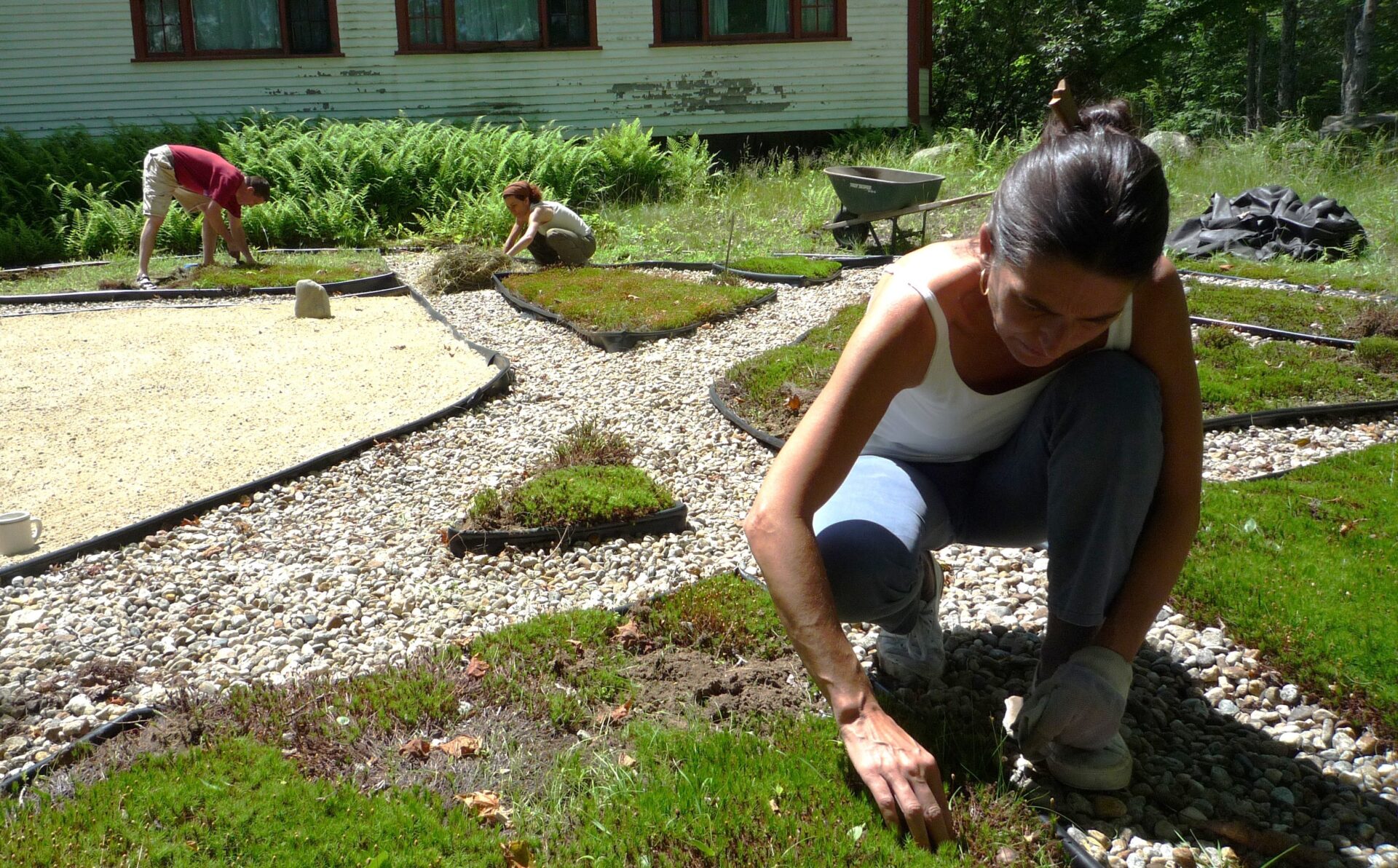
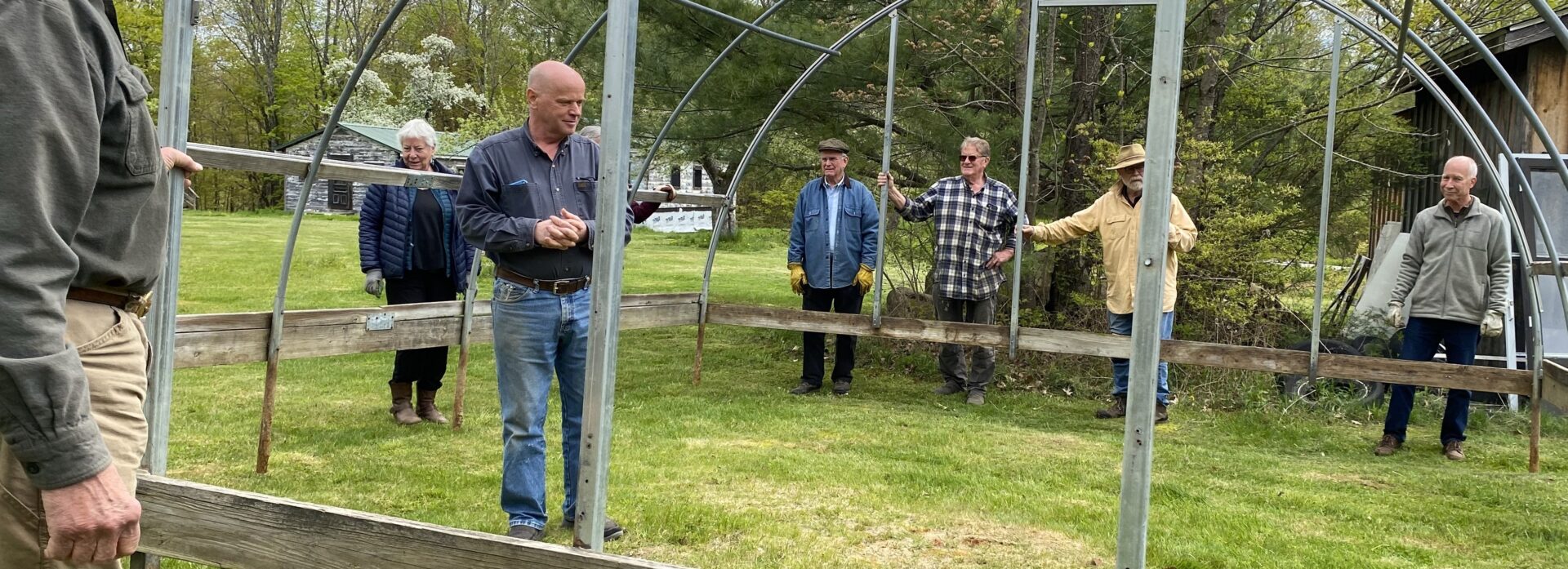
Over the years, the group created and upgraded many gardens on the campus. This included planting a small patch of peach trees and turning an old tennis court into a vegetable garden. To support gardening, the group constructed several garden sheds and a greenhouse.
The group also planted native trees and created ornamental gardens on the campus, focusing on native trees, shrubs, and perennials.
Home for the Village School
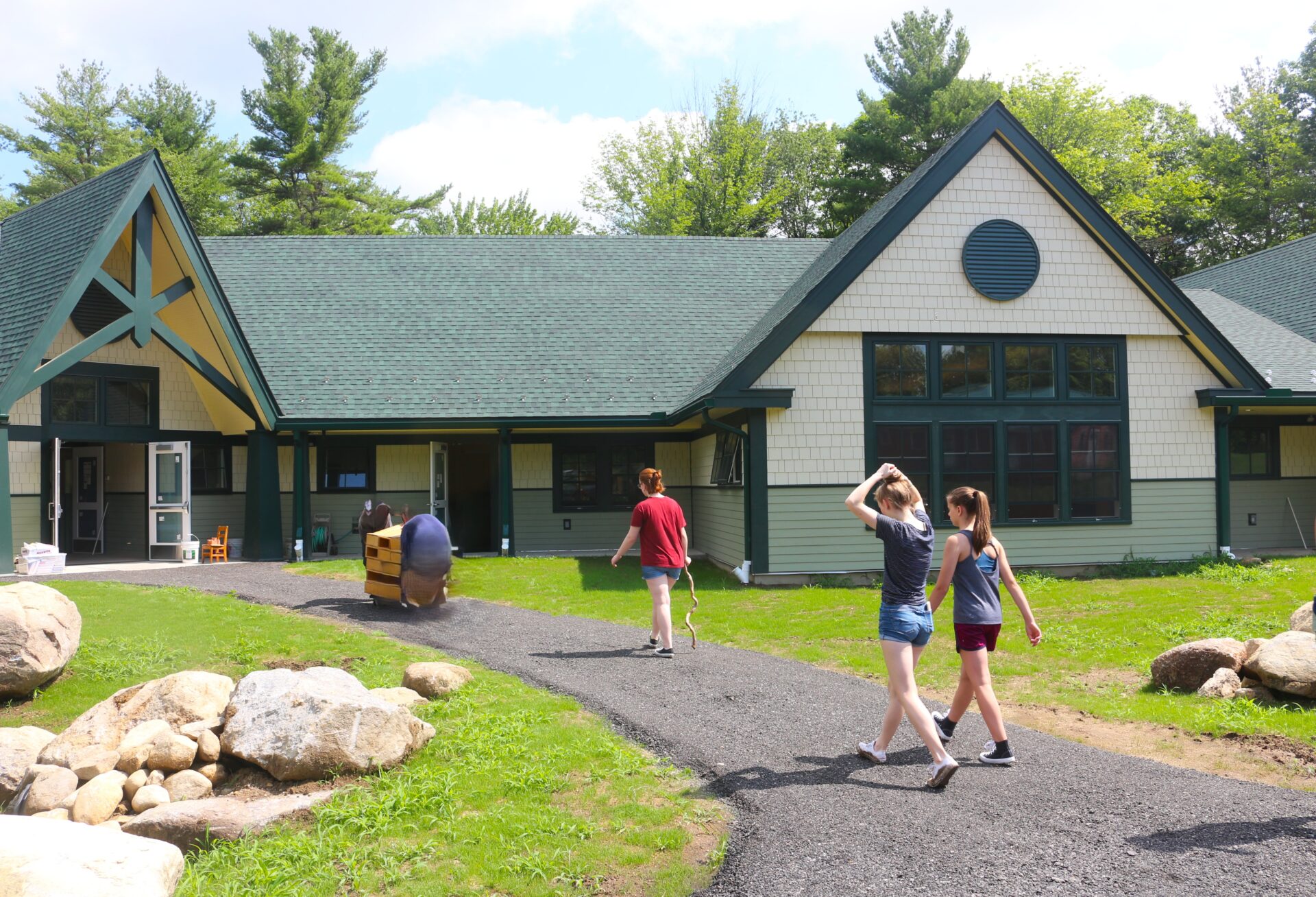 One of the original and central aims for acquiring Camp Caravan was to have a home for the Village School, a children’s school started by MREC in 1989.
Construction of the new school began by clearing and grading the site on the north side of the property in 2008.
Unfortunately, the financial crisis of that year halted any construction of the new school building at that time. Construction the new building was restarted in the spring of 2016 and completed in the fall of 2018 when the school finally moved to the property after renting space for years.
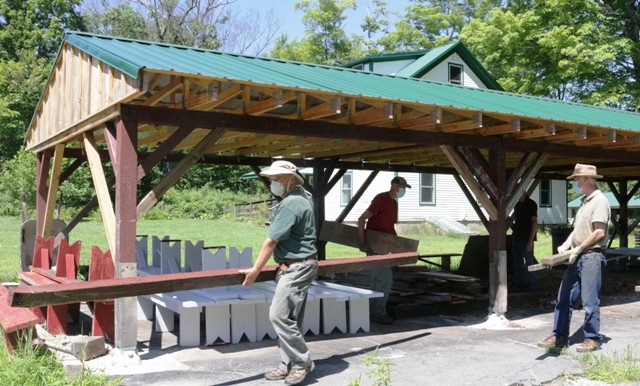
In 2020, the group renovated the camp’s outdoor pavilion building to use as one of the classrooms. This helped the school to remain open and fully functional throughout that pandemic year.
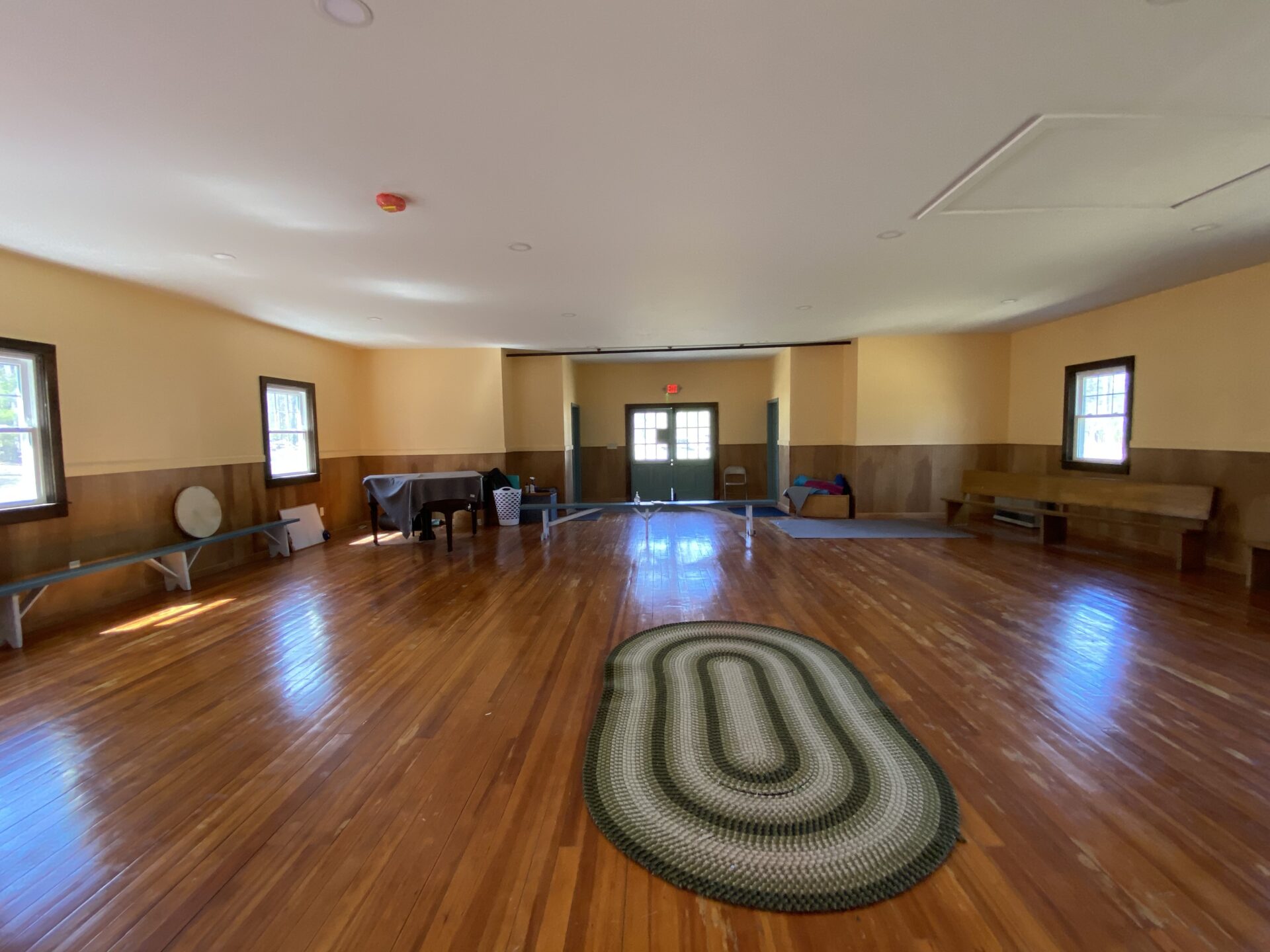 In 2021, the Auditorium was winterized, allowing full use by the school and the whole community. In 2025, the Village School constructed two yurts adjacent to the school building to enable the preschool program to be held outside for the entire school year.
Rise Richardson, Camp Caravan member, served as Village School Director until she retired in 2024 when MREC hired Jocelyn Langer to become the new Director.
The Camp Caravan history, provided by Janet Laughton
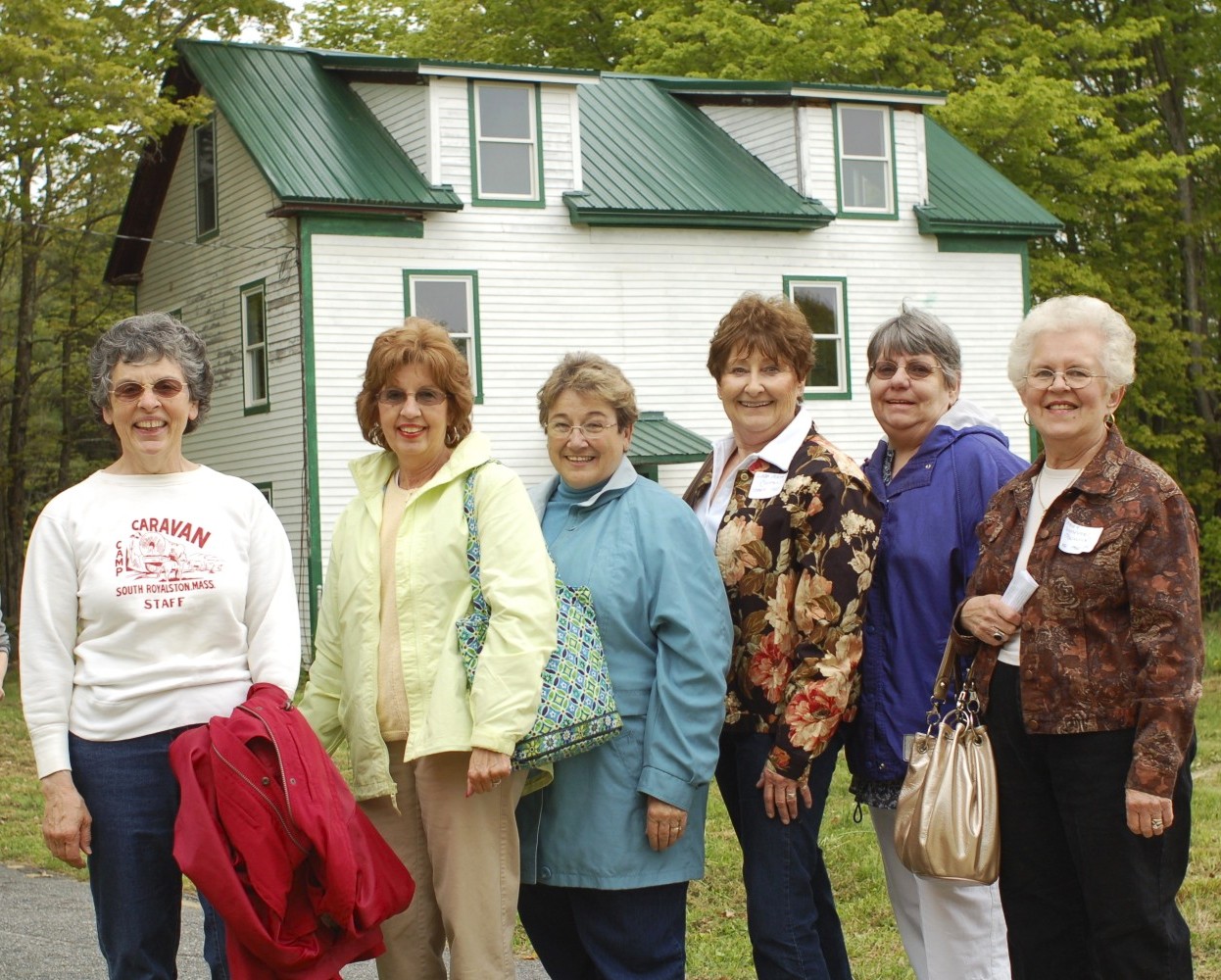
The original founders were: Edward M. McCarty and his wife Jessie C. McCarty from Somerville, Ma. and Marion A. Coffee from Acton, Ma. Marion Coffee died in July, 1962. Jessie C. McCarty died in August, 1981. Edward M. McCarty retired from the position of Executive Director in March, 1980.
Initial Charter Members were teachers, educators and others who were interested in initiating services for Retarded/Physically Handicapped children. At this time there was a need for summer camping facilities in the Commonwealth for handicapped children that were away from the inner city environment.
In 1944 and 1945 Camp Caravan was located in rented facilities from the Middlesex T. B. Association in Sharon, Mass. (125 children were serviced each summer)
In 1946 Camp Caravan was located at the Hospital Cottages in Baldwinville, Mass. in loaned facilities.
In June 1947, the Caravan Society for Children, Inc. purchased the Lemon Estate in South Royalston, Massachusetts from Mini Lemon, daughter of the late George Lemon, a minister. The camp served 60 campers the first year. When purchased the property contained the following:
Main House
- Two Story Dormitory Bldg.
- Barbecue Building
- Maple Sap House (now Mohawk Cabin)
- Carpenter’s Shop (now Ala Ba Mu Cabin)
- Ice House (now Chan ya ta Cabin)
- Turkey Brumer House (now Men’s Dorm)
- Wood Shed (now the Office)
- Two Car Garage (one half now the freezer room)
- Large Barn (destroyed in fire of 1957)
- Carriage House (destroyed in fire of 1957)
Timeline
1947 – Old well was drilled (located on front lawn in front of Office Bldg.)
1948 – Whitker Dining Hall was added to the Main House
1951 – Nature Lodge was built by the Somerville Rotary Club for $4,000
1957 – Barn and Carriage House which were used as Recreation Hall and Arts and Crafts facility were totaled in fire. The fire area was cleared and a new Staff Recreation Hall built on the site. Two circus tents were used for Arts and Crafts facilities and a Recreation Hall for the remainder of the 1957 season.
1955 – Pond was created for fire protection. New Arts and Crafts Building and Recreation Hall were constructed.
1961 – The swimming pools were installed
1976 – Edward M. McCarty retired as Director of Special Education Services from the City of Somerville Public School System.
1984 – Ramps were installed on all buildings to provide for barrier- free accessibility
1985 – The 41st consecutive camping season was the last year that Camp Caravan was in operation. Jane M. Laughton, who had worked in various positions at Camp Caravan from 1954 through 1985, was the Executive Director
January 17, 1987 – Ata Real Estate Auction, 117 wooded out of the total 167 acres of land owned by the Caravan Society for Children, inc. were purchased by a man from Royalston, Massachusetts. This land was on the west side of Route 68 across from the Nature Lodge.
January 17, 1987, Edward M. McCarty died at the age of 79 at Heywood Hospital, Gardner, Massachusetts from emphysema and congestive heart failure.
1999 – Mary Lou (McCarty)Serra-Sheehan died at age 61 after a long illness. She was the only child of Edward M. and Jessie C. McCarty.