Fourth Way today
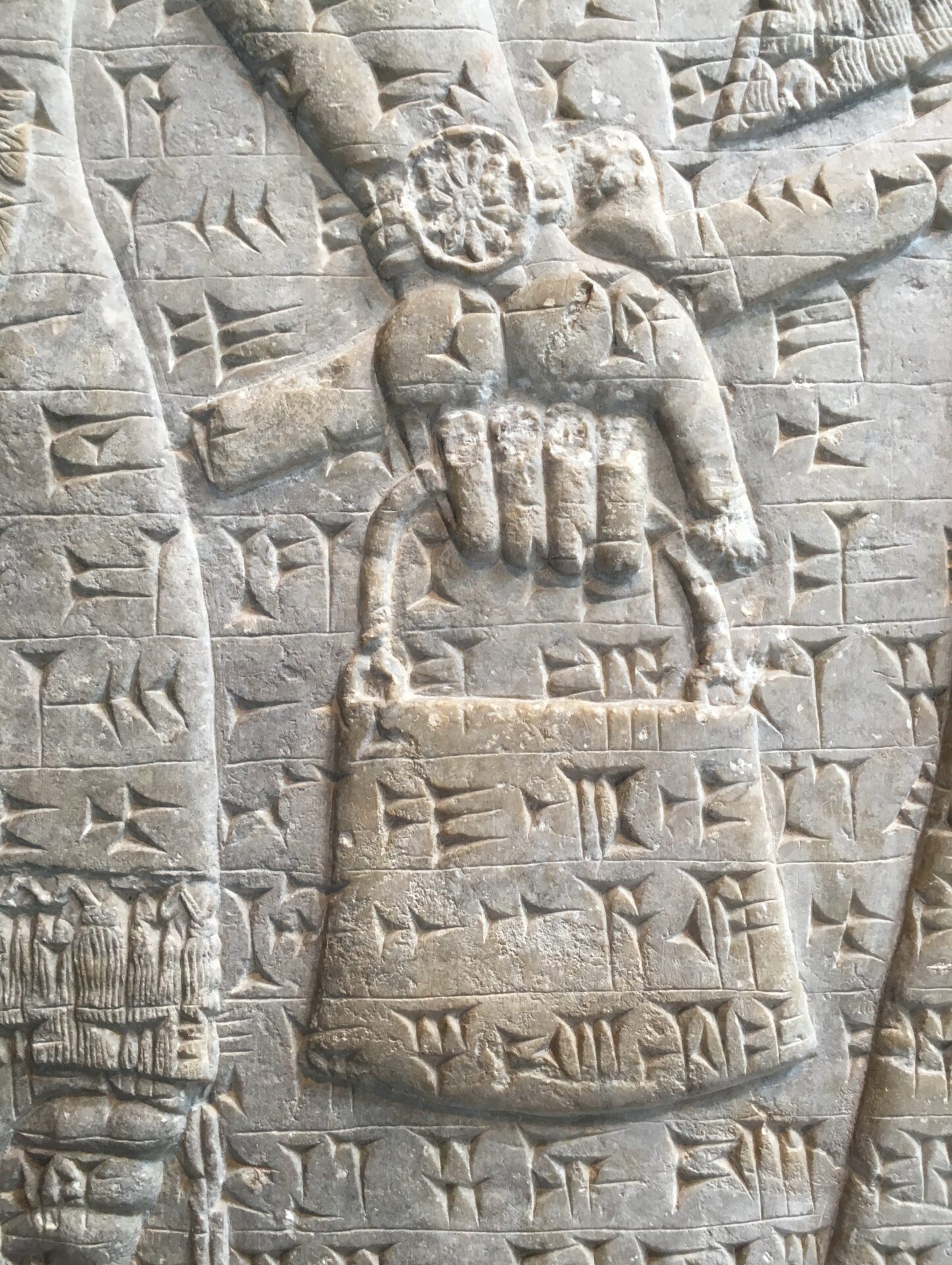
The Work has been with us continually since ancient times. Gurdjieff’s introduced his approach as an experiment, drawn from these ancient sources and his own search, aiming to bridge ancient wisdom with contemporary psychology. In the first part of the twentieth century, he set out to awaken people from “sleep”—a mechanical existence dominated by habit, distraction, and reaction.
His teaching is not a doctrine but a practical methodology including movements and sacred dances, rigorous self-observation, the use of group work, and a way of questioning that stripped away comfortable illusions. It is a path of lived verification, aimed at helping women and men become more conscious, more responsible, and more present.
Beyond “self-improvement”
At its heart, the Work is about remembering oneself: the possibility of holding together body, mind, and feeling in a finer attention. Gurdjieff offered practices that deliberately brought people into contact with their automatic patterns so that, in seeing, something new might appear. His aim was not self-improvement in the conventional sense, but self-transformation: a movement from sleep toward a deeper waking life.
Current forms
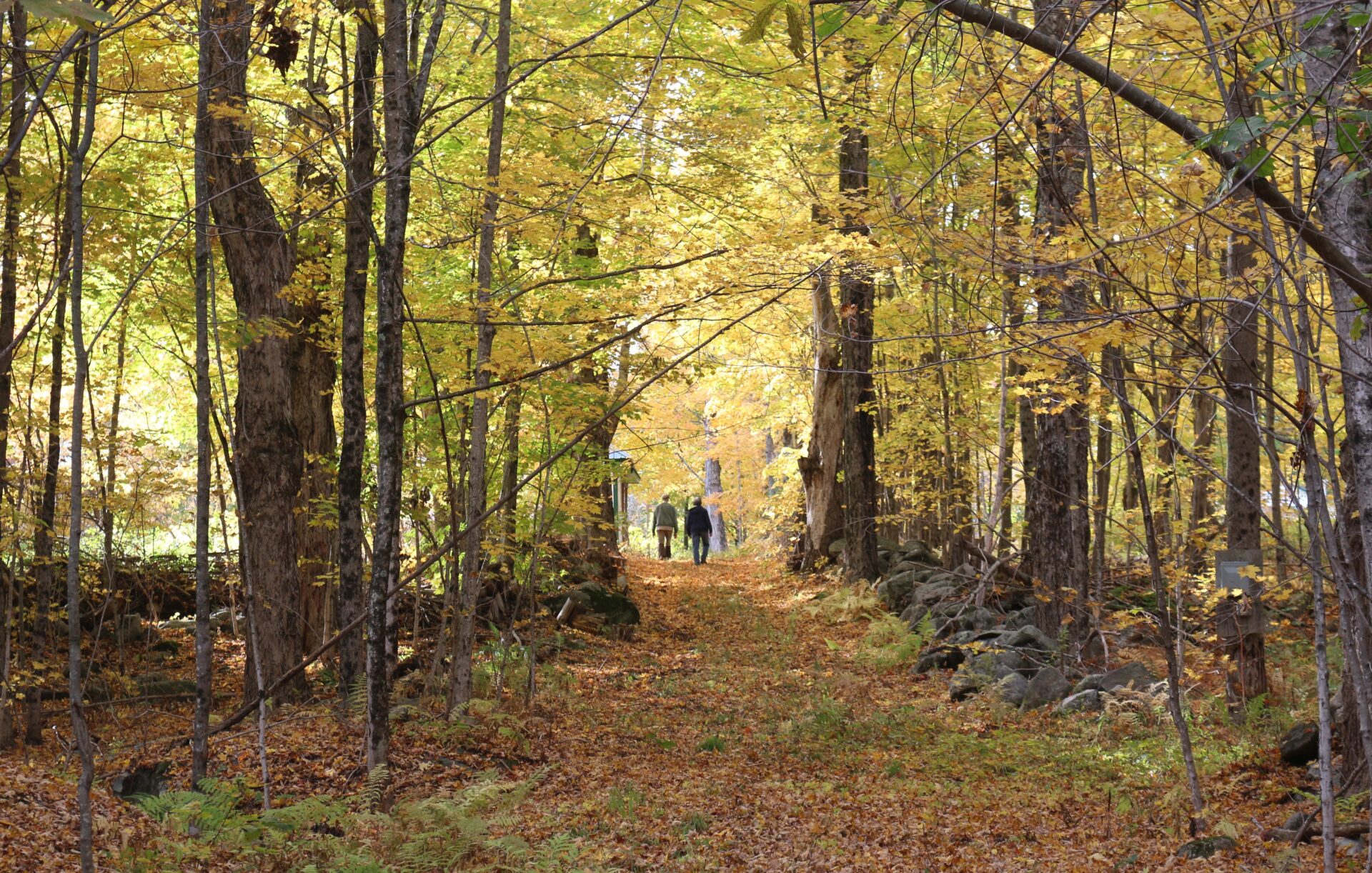 Nearly a century later, the Work continues in many forms. Some groups preserve the practices as they were handed down. Other groups experiment with fresh approaches. Across all of them, the essence remains: working with attention, observing oneself without judgment, creating conditions for presence, working with others, and serving the future.
Today, in the west, our culture of reactivity and striving for comfort poses a challenge—but also an entry point. In such a climate, the Work’s simple practice of pausing to observe—of not immediately reacting—becomes radical. That pause is a doorway into another kind of life.
Some feel that there is a genuine crisis of meaning today. Many seek new forms of community with like-minded people who value the exploration of spirituality in a practical way. While today’s digital tools provide a remarkable amount of information, replacing genuine contact with others with these tools can lead to a pervading loneliness and less access to a finer attention.
A middle way
 Between preservation and adaptation lies a middle way. The Work need not become a museum piece, nor dissolve into vague “mindfulness.” It can remain a living experiment—faithful to its original forms, yet open to translation in modern life.
This means speaking in non-dogmatic language: inviting people to test and verify in their own lives, rather than asking for belief. It also means recognizing the Work as a kind of inner architecture—a space designed within ourselves where silence, attention, and presence can live.
Sincerity
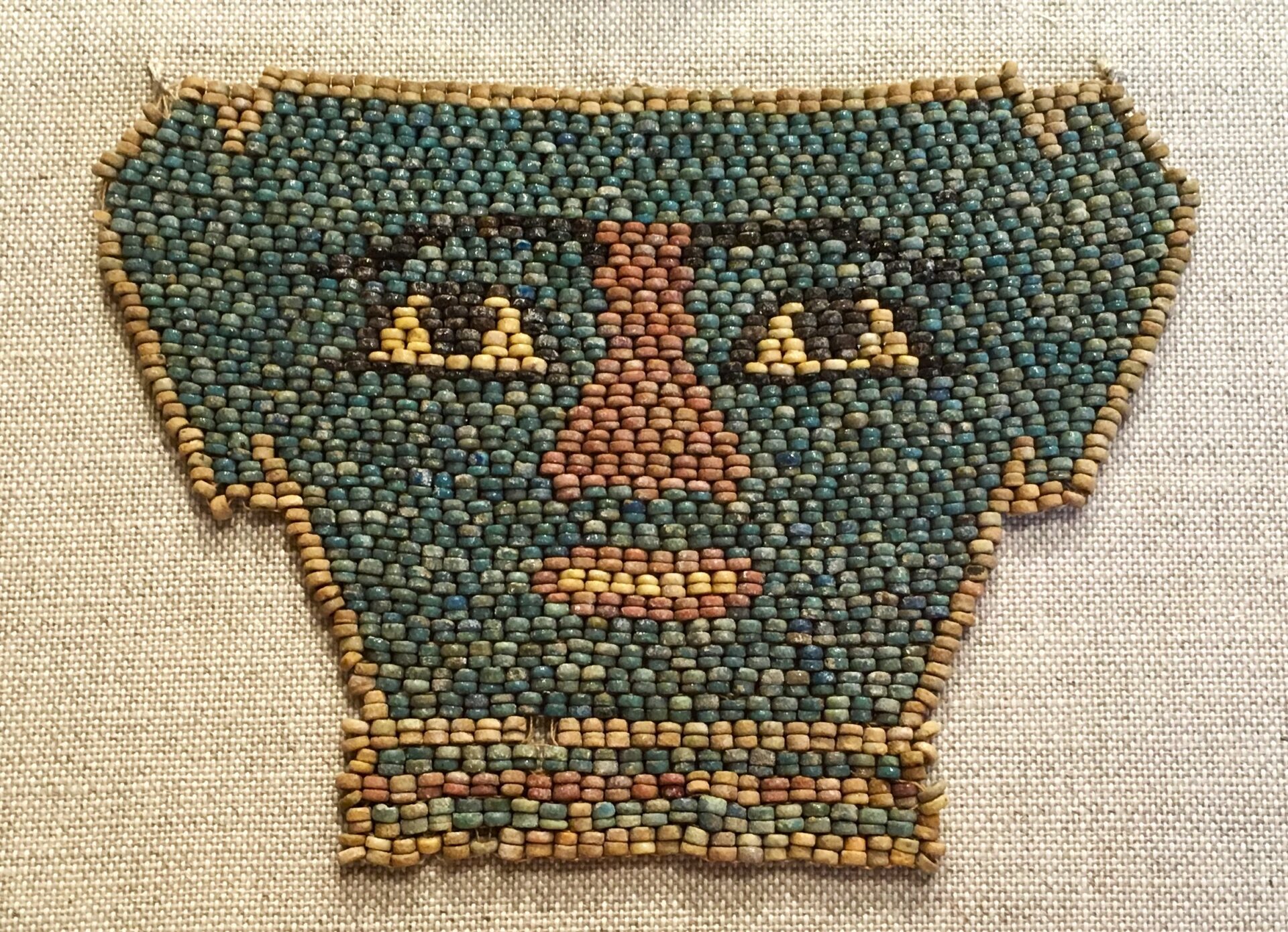 The future of the Work depends less on institutions than on the sincerity of those who engage it. The Work has always been about awakening here and now. In a time of distraction and division, its demand is as urgent as ever: to become more present, more alive, and more conscious of our place in the mystery of existence.
We invite you to come to open events at Camp Caravan and explore what it is like to work in this way with a group. For additional resources, visit our Links page (link to V.D)
Fourth way writings
Today, there are many books, writings, and online communications about these ideas. In addition, we invite you to explore writings from Camp Caravan group members at our Resources Page.